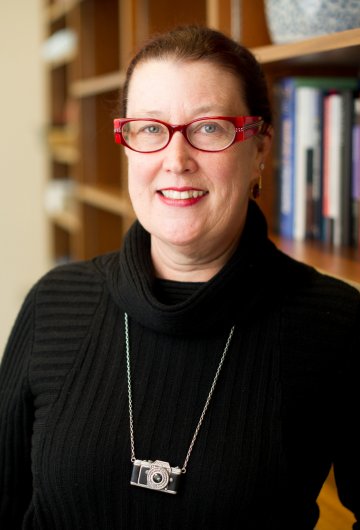
Ms. Terrie Moffitt is mainly interested in the area of antisocial, violent and criminal behavior and in particular her work focuses on human development. Among her main concerns belong the problems of depression, psychosis and the drugs abuse among criminal offenders. Her expertise introduces us into the problematic of behavior of people in trouble with the law and their health and social situation. She also explains the effects of this difficult situation on their physical and mental health. Besides, Ms. Moffitt distinguishes two kinds of criminal offenders, the early once and the latecomers, and she describes their different models of life that are the principal causes of their troubles with the penal system. At the end, she introduces us a new field, called developmental criminology, which is a branch of the criminology department.
IJJO Interviews
ZAF
South Africa
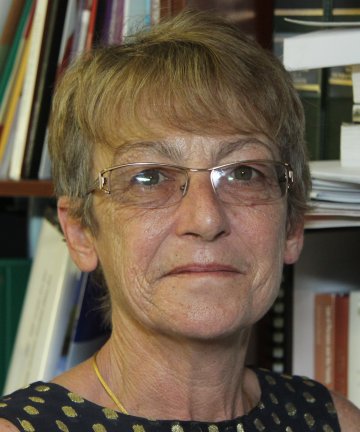
Professor Julia Sloth-Nielsen speaks about the children's rights current reforms, in many African legal systems, slowly being implemented. Although progress is evident, the expert believes that there is still much to be done because legal frameworks are very recent and there is a need for review if needed so restorative practice could be implemented. However, Professor Sloth is optimistic and emphasizes, therefore, the work done by both the African Committee of Experts on the Rights and Welfare of the Child (ACERWC) and by the Children's Rights Project of the Community Law Centre at the University Western Cape which she led for nearly 20 years.
NLD
Netherlands
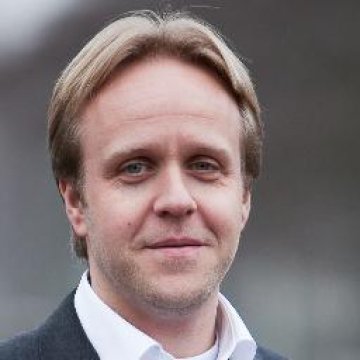
Prof. Dr. Ton Liefaard offers his extensive knowledge in the field of international law and international and European legal standards regarding juvenile justice. He also exposes the challenges and objectives of the course ‘Juvenile justice within Europe from an International perspective’ of the “International Juvenile Justice School (ISJJ) as the first online initiative that addresses the issue of juvenile justice exhaustively.
IRL
Ireland
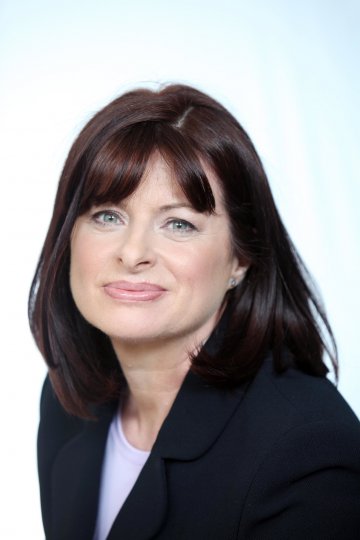
Ms. Logan provides us a description of her Institution activities and objectives. She also introduces us in the juvenile justice model and what kind of sanctions based in the community are imposed when a child is found guilty of an offence. She thinks that Ireland is moving in the right direction in youth justice and expresses here satisfaction because of the paper that here office has made in this matter, being one of the most important achievements the end of the use of adult prisons to detain 16 and 17 year old boys.
GBR
United Kingdom
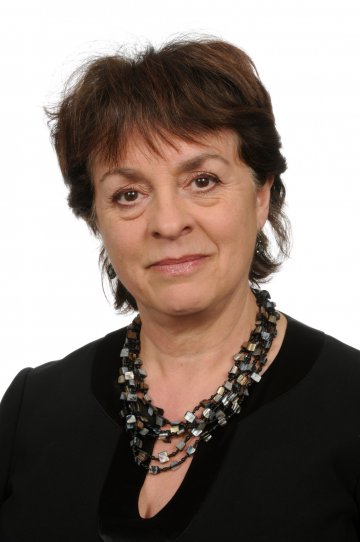
Ms. Cook introduces us in the penal English system where children are submitted to hard conditions in custody. She dismantles us a very authoritarian and punishable model that doesn’t contemplate the psychological, social and educative children specific needs for that the disturbing self-injuring, death and recidivism data in custody reduce. She also advocates the reduction of the age in which it is criminally liable from 10 to 14 years old and remembers us that the Convention of the UN says that custody should only be used for the shortest possible time.